Discover the Enchanting Aroma of Honeysuckle Bushes
The sweet fragrance of honeysuckle bushes is truly enchanting, filling the air with a delicate and captivating scent that is sure to uplift your spirits. Honeysuckle bushes are not only beautiful to look at, but they also bring a wonderful aroma to your garden or outdoor space. In this guide, we will explore the magical world of honeysuckle bushes, including how to grow and care for these lovely plants.
Honeysuckle bushes, also known as Lonicera, are a popular choice for many gardeners due to their beautiful flowers and delightful fragrance. These bushes are highly versatile and can be grown in a variety of conditions, making them a great addition to any garden or landscape. Whether you are a seasoned gardener or a beginner, growing honeysuckle bushes is a rewarding experience that will bring joy and beauty to your outdoor space.
To grow honeysuckle bushes successfully, it is important to choose the right location. These plants thrive in full sun to partial shade and prefer well-drained soil. Before planting your honeysuckle bush, make sure to prepare the soil by adding compost or organic matter to improve drainage and fertility. Once planted, water your honeysuckle bush regularly, especially during dry periods, to ensure that it stays healthy and vibrant.
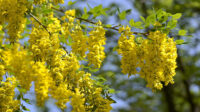
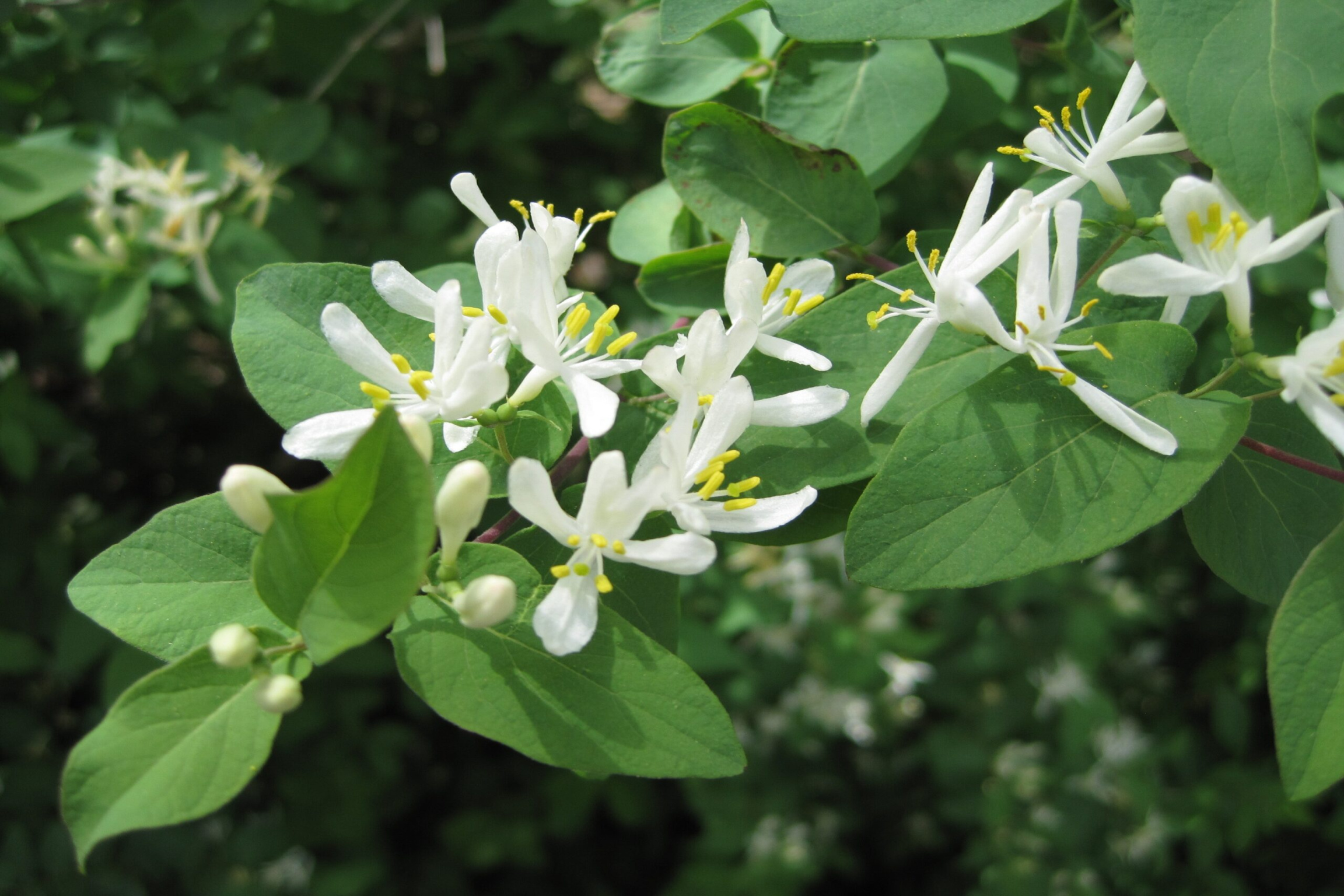
One of the most appealing features of honeysuckle bushes is their beautiful and fragrant flowers. These flowers come in a variety of colors, including shades of white, pink, and yellow, and bloom in clusters throughout the spring and summer months. The scent of honeysuckle flowers is sweet and intoxicating, attracting bees, butterflies, and other pollinators to your garden. With their lovely fragrance and vibrant colors, honeysuckle bushes are sure to be a focal point in your outdoor space.
In addition to their beauty and fragrance, honeysuckle bushes are also easy to care for. These plants are relatively low-maintenance and require minimal pruning to keep them looking their best. To promote healthy growth and blooming, it is recommended to prune your honeysuckle bush in the late winter or early spring before new growth begins. Remove any dead or damaged branches, as well as any overgrown or tangled growth, to encourage new growth and improve air circulation.
When caring for your honeysuckle bush, it is important to provide adequate water and fertilization. Water your honeysuckle bush regularly, especially during hot and dry weather, to keep the soil moist and prevent stress on the plant. Fertilize your honeysuckle bush in the spring with a balanced fertilizer to promote healthy growth and flowering. With proper care and maintenance, your honeysuckle bush will thrive and bring beauty and fragrance to your garden for years to come.
In conclusion, honeysuckle bushes are a delightful addition to any garden or outdoor space, adding beauty and fragrance to your surroundings. With their enchanting aroma and beautiful flowers, honeysuckle bushes are sure to captivate your senses and bring joy to your outdoor space. By following these tips and tricks for growing and caring for honeysuckle bushes, you can enjoy the sweet fragrance of these lovely plants year-round. So why wait? Plant a honeysuckle bush today and experience the magic of this enchanting plant for yourself.
Tips and Tricks for Cultivating Lush Honeysuckle Plants
Honeysuckle plants are a beloved addition to any garden, thanks to their sweet fragrance and beautiful blooms. If you’re looking to grow and care for these lovely vines, here are some tips and tricks to help you cultivate lush honeysuckle plants that will thrive in your garden.
1. Choose the Right Location:
Honeysuckle plants thrive in full sun to partial shade, so be sure to plant them in an area where they will receive at least 6 hours of sunlight per day. Additionally, make sure the soil is well-draining and rich in organic matter to promote healthy growth.
2. Provide Adequate Support:
Honeysuckle plants are climbing vines that will need some kind of support to grow on. You can use a trellis, fence, or arbor to provide the necessary structure for the vines to climb and flourish. Be sure to secure the support firmly in the ground to prevent the vines from falling over.
3. Water Regularly:
While honeysuckle plants are relatively drought-tolerant once established, they will still need regular watering, especially during hot, dry periods. Water your honeysuckle plants deeply once a week, making sure to soak the soil around the base of the plant to encourage deep root growth.
4. Fertilize Occasionally:
Honeysuckle plants are not heavy feeders, but they will benefit from a light application of balanced fertilizer in the spring to promote healthy growth and abundant blooms. Use a slow-release fertilizer or a water-soluble fertilizer diluted to half strength to avoid over-fertilizing.
5. Prune Wisely:
Pruning is essential for maintaining the health and shape of your honeysuckle plants. Prune out any dead, damaged, or diseased branches as soon as you notice them to prevent the spread of disease. You can also prune your honeysuckle plants in the late winter or early spring to shape them and promote new growth.
6. Watch for Pests and Diseases:
Honeysuckle plants are generally resistant to pests and diseases, but they can still fall victim to aphids, spider mites, and powdery mildew. Keep an eye out for any signs of pest or disease infestation, such as yellowing leaves, distorted growth, or powdery white patches, and treat them promptly with insecticidal soap or neem oil.
7. Enjoy the Fragrant Blooms:
One of the best parts of growing honeysuckle plants is enjoying the sweet fragrance of their blooms. Honeysuckle plants produce clusters of tubular flowers in shades of white, pink, yellow, or orange, depending on the variety. Sit back and relax in your garden as the intoxicating scent of honeysuckle fills the air.
In conclusion, growing and caring for honeysuckle plants can be a rewarding experience that will add beauty and fragrance to your garden. By following these tips and tricks, you can cultivate lush honeysuckle plants that will thrive and delight your senses for years to come. Happy gardening!