Blooming Beauties: Tips for Growing Lychnis Coronaria
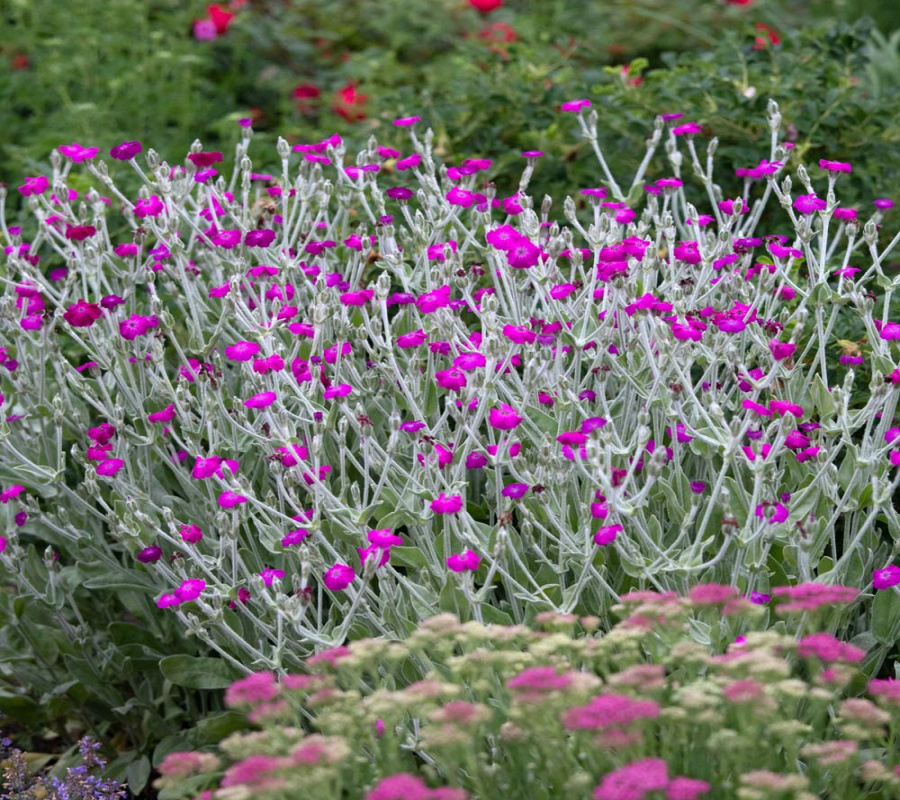
Lychnis Coronaria, also known as Rose Campion or Mullein Pink, is a stunning plant that can bring beauty and color to any garden. With its vibrant magenta flowers and silvery foliage, this plant is sure to be a showstopper in your garden. In this article, we will provide you with some tips on how to grow and maintain Lychnis Coronaria so that you can enjoy its beauty for years to come.
When it comes to growing Lychnis Coronaria, the first thing you need to consider is the location. This plant thrives in full sun, so be sure to plant it in a spot that receives at least 6-8 hours of sunlight per day. Additionally, Lychnis Coronaria prefers well-draining soil, so be sure to amend your soil with plenty of organic matter, such as compost or peat moss, to ensure good drainage.
Once you have found the perfect spot for your Lychnis Coronaria, it’s time to plant it. You can either start with seeds or purchase young plants from a nursery. If you choose to start with seeds, be sure to sow them in the spring after the last frost date. Plant the seeds about 1/8 inch deep and water them well. Keep the soil consistently moist until the seeds germinate, which usually takes about 7-14 days.
If you decide to start with young plants, simply dig a hole that is slightly larger than the root ball of the plant and place it in the hole. Be sure to water the plant well after planting to help it establish in its new home.
Once your Lychnis Coronaria is in the ground, it’s time to think about maintenance. This plant is relatively low-maintenance, but there are a few things you can do to ensure it stays healthy and happy. One important thing to remember is to deadhead the flowers regularly. This will not only help to keep the plant looking neat and tidy but will also encourage more blooms to form.
Additionally, be sure to water your Lychnis Coronaria regularly, especially during dry spells. While this plant is drought-tolerant once established, it still appreciates a good drink of water during hot, dry weather. To help retain moisture in the soil, consider adding a layer of mulch around the base of the plant.
Another important aspect of caring for Lychnis Coronaria is fertilizing. While this plant doesn’t require a lot of fertilizer, a light feeding in the spring with a balanced, slow-release fertilizer can help to promote healthy growth and abundant blooms.
In terms of pests and diseases, Lychnis Coronaria is relatively resistant. However, it can occasionally be bothered by aphids or powdery mildew. If you notice any signs of pest or disease infestation, simply treat the plant with an organic insecticidal soap or fungicide, following the manufacturer’s instructions.
Overall, growing and maintaining Lychnis Coronaria is a rewarding experience. With its stunning blooms and silver foliage, this plant is sure to add a pop of color to your garden. By following the tips outlined in this article, you can ensure that your Lychnis Coronaria thrives and continues to delight you year after year.
Nurturing Nature: Maintaining this Stunning Plant
Caring for Lychnis Coronaria, also known as rose campion or mullein pink, can be a rewarding experience for any gardener. With its vibrant magenta flowers and silvery foliage, this stunning plant adds a pop of color and texture to any garden landscape. However, like any plant, Lychnis Coronaria requires some tender loving care to thrive and flourish. In this article, we will explore some tips for growing and maintaining this beautiful plant.
First and foremost, it is important to choose the right location for your Lychnis Coronaria. This plant thrives in full sun and well-drained soil. Make sure to plant it in an area where it will receive at least six hours of sunlight per day. Additionally, be sure to water your Lychnis Coronaria regularly, especially during dry periods. However, be careful not to overwater, as this can lead to root rot.
In terms of soil, Lychnis Coronaria prefers a slightly alkaline soil with a pH level between 6.0 and 7.0. If your soil is too acidic, you can add lime to raise the pH level. It is also a good idea to add some compost to the soil before planting to improve drainage and fertility.
When it comes to fertilizing Lychnis Coronaria, less is more. This plant does not require a lot of fertilizer to thrive. In fact, too much fertilizer can actually be harmful to the plant. It is best to use a balanced fertilizer once or twice a year in the spring and summer.
One of the key aspects of maintaining Lychnis Coronaria is deadheading. Deadheading is the process of removing spent flowers from the plant to encourage new growth and prolong the blooming period. Simply pinch off the faded flowers at the base of the stem to promote new blooms.
In addition to deadheading, it is important to keep an eye out for pests and diseases that may affect Lychnis Coronaria. Common pests include aphids, slugs, and snails. To prevent infestations, you can use insecticidal soap or diatomaceous earth. If you notice any signs of disease, such as yellowing leaves or black spots, be sure to treat the plant promptly with a fungicide.
Another important aspect of maintaining Lychnis Coronaria is to provide support for the plant as it grows. This plant can grow quite tall and may need some additional support to prevent it from flopping over. You can use stakes or a trellis to help support the plant and keep it upright.
Finally, it is important to divide and replant Lychnis Coronaria every few years to prevent overcrowding and promote healthy growth. To divide the plant, simply dig up the clump and separate it into smaller sections. Replant the sections in fresh soil and water thoroughly.
In conclusion, caring for Lychnis Coronaria can be a rewarding experience for any gardener. By following these tips for growing and maintaining this stunning plant, you can enjoy its vibrant flowers and silvery foliage for years to come. Remember to choose the right location, provide adequate sunlight and water, deadhead regularly, watch out for pests and diseases, provide support as needed, and divide and replant every few years. With a little bit of care and attention, your Lychnis Coronaria will thrive and brighten up your garden landscape.